A full transcript is not currently available for this video.
CHRIS BOERNERScience, like soccer, is a game of inches. Many shots miss. But the ones that land… Change everything. On the pitch, every second counts. For patients, every moment matters more.
CHRIS BOERNERWon’t Lose is a mindset that connects every team at BMS as we work towards one goal: delivering breakthroughs, knowing patients are counting on us. Won’t Lose is also our commitment to the patients and communities we serve. It’s our promise to keep pushing science forward until victory belongs to patients. Their stories remind us why we’re all in.
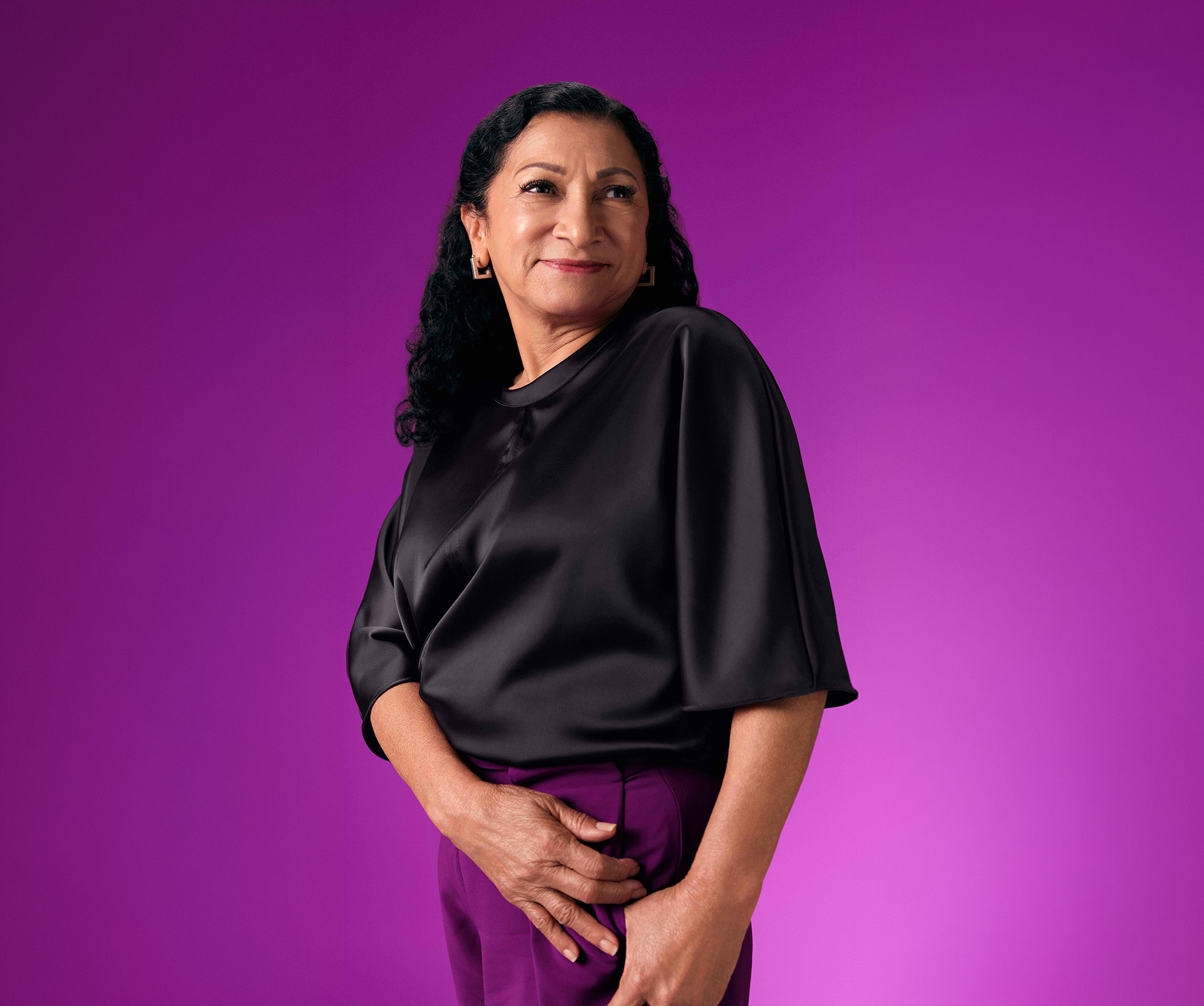
MARIAI always looked up to my mother. I’ll never forget the day when her struggles with undiagnosed schizophrenia became so bad that I was forced to call the police.
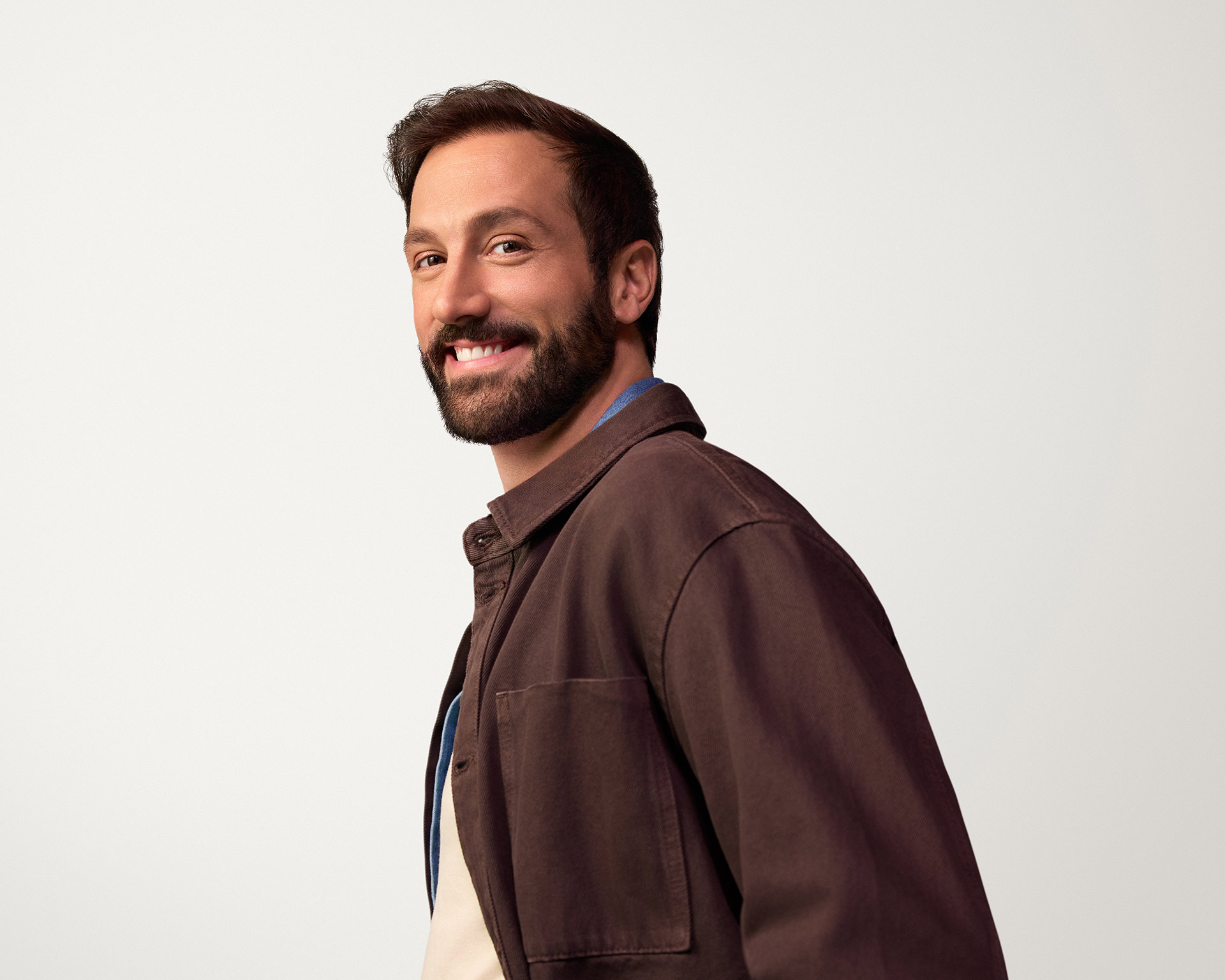
STEVEI just met and married the love of my life, and suddenly, on our first anniversary, I was told I had leukemia. It felt like time was running out.
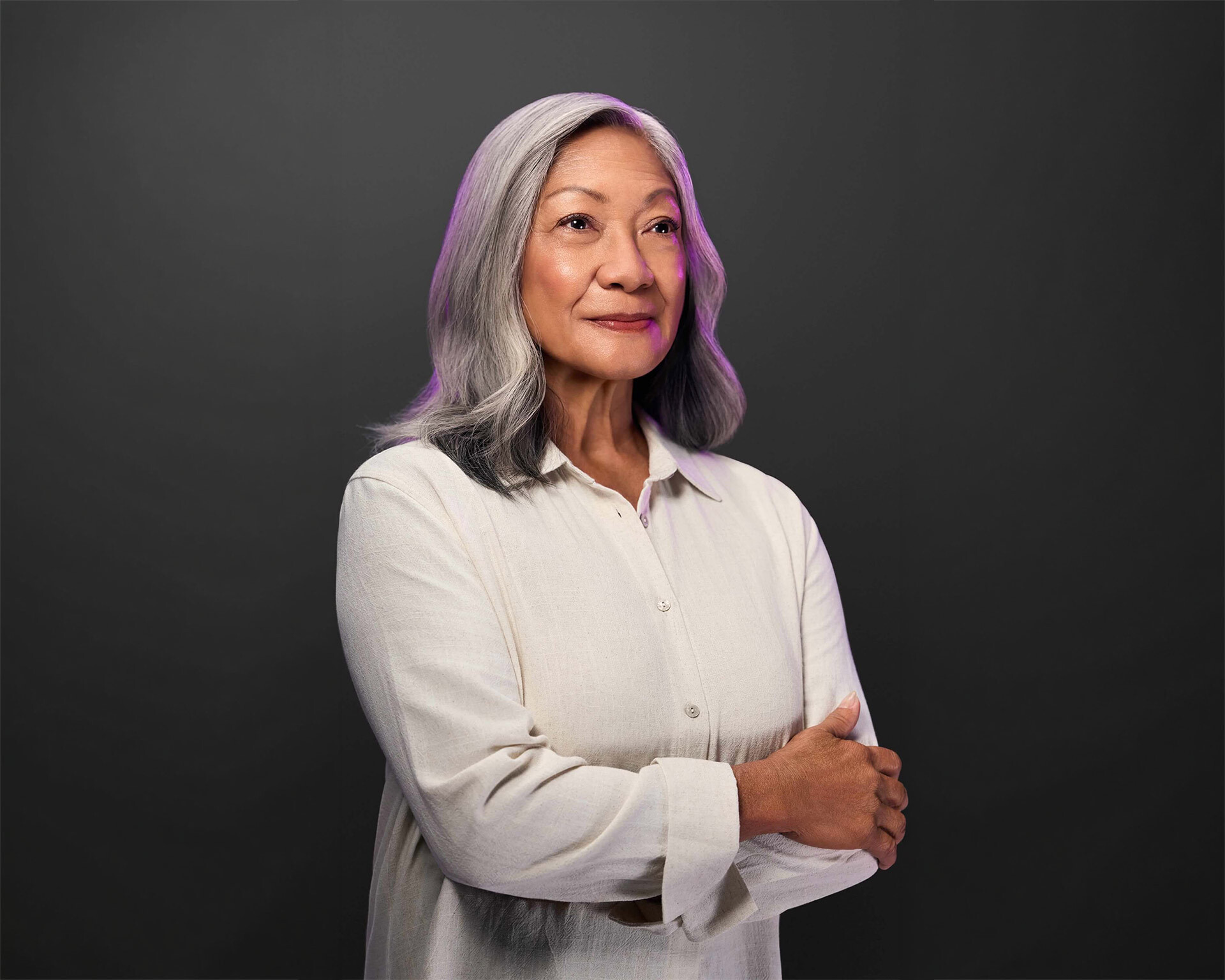
ATIBAI was told it was Stage IV breast cancer. I spent 10 of the loneliest days of my life in bed, crying. And then I had to close a door I never imagined closing, the door to motherhood.
JULIEMy daughter Peyton was active and adventurous. She never missed a moment to share a laugh or hug with someone who needed it. There aren’t words to describe how I felt when I lost her to sudden cardiac arrest when she was only 19.
BURHANI was in medical school when my sister was diagnosed with multiple sclerosis. I focused my studies in neurology then one morning I woke up with MS symptoms myself.
JENMy dad was a veteran, and an incredible father, his idiopathic pulmonary fibrosis took away his ability to breathe. One day, between his coughs, he looked at me and said, ‘I just don’t want to be forgotten.’
CHRIS BOERNERVictory isn’t about perfection; it’s about refusing to quit.
MARIAI refused to lose hope. I started working to change how people in my community understood mental health.
STEVEIt was my final shot: I tried cell therapy and a few weeks later I received the best news: It was working!
ATIBAMy brother looked me in the eye and said, “this is the time you fight.” I threw off the covers and never looked back.
JULIEMy Won’t Lose Moment? Turning my grief into action and realizing that what we do for ourselves dies with us. But, what we do for others remains and is immortal.
BURHAN93% of clinical trials fail. Yet, I chose to be a clinical trial physician at BMS because for patients, every moment matters. Every trial, every setback, every step forward. I’m fighting for MS patients like my sister.
JENI’m here to make sure my dad isn’t forgotten. His legacy continues to help patients and families living with the impact of pulmonary fibrosis.
CHRIS BOERNERThe world is watching. The world is waiting. With so much at stake, this isn’t pressure. It reminds us who we’re fighting for.
MARIAOur personal struggles can become our greatest tools for helping others. My mom is now thriving. I started Kompashion to bridge the gap between caring and action: encouraging my community to reject stigma and fear, and to show up in the moments that matter.
STEVEI’ll be volunteering at my local fire department, advocating for patients like me, and preparing to celebrate my 15-year anniversary with my wife! Sometimes you just have to look for that little shot at hope.
ATIBAI became a board member of Living Beyond Breast Cancer. As an advocate for women of color in oncology, I use my story to break barriers, and prove that resilience isn’t just survival.
JULIEThe Peyton Walker Foundation has now been helping families for over a decade. Donating AEDs, teaching CPR, and increasing awareness of sudden cardiac arrest among youth. Peyton’s legacy continues to save lives.
BURHANAn MS diagnosis won’t stop me from pioneering research. We won’t stop until patients win.
JENThe Wescoe foundation is built on legacy and bridges the gaps for IPF patients and families. It’s a privilege caring for the people who struggle to breathe every day.
CHRIS BOERNERProgress doesn’t belong to the ones who never fall. It belongs to the ones who keep going.
JULIEThat’s why I educate.
BURHANThat’s why I build.
ALL AMBASSADORSThat’s why…
CHRIS BOERNERThat’s why we WON’T LOSE.
ATIBAI was told it was Stage IV breast cancer. I spent 8 of the loneliest days of my life in bed, crying. And then I had to close a door I never imagined closing, the door to motherhood.
ATIBAMy brother looked me in the eye and said, “This is the time you fight.” I threw off the covers and never looked back.
ATIBAI became a board member of Living Beyond Breast Cancer.
ATIBAAs an advocate for women of color in oncology, I use my story to break barriers, and prove that resilience isn’t just survival.
ATIBAThat’s why I rise. That’s why…
ATIBAThat’s why we WON’T LOSE.
00:00Hi. I’m Rich, and this is my Car T-cell therapy story.
00:05When I think back to it, the year before I was diagnosed. There were a lot of different cues. I was getting short of breath. I was struggling, even getting to the top of the steps in a two story house. And so was at that time I finally called my doctor.
00:27He said, you have blood cancer. And then you know that sits with you and hits you for a while when you get the C-word. So you start thinking about a lot of different things.
00:40I was just very alarmed by the diagnosis. Not sure how I could support him. I was fortunate that the initial induction therapy had really helped lower my levels of cancer in my body.
00:55We found a doctor that we felt very comfortable with. He had mentioned the Car-T cell therapy. That took your own T cells from your body, which, if there wasn’t something wrong, would fight the cancer off. I mean, everybody has that in their body and the ability to take the T cells and actually put a receptor on them that would then bind to the cancer cells and kill them. And so it was really fascinating the research on it.
01:25The more research I did on Car-T therapy, the more hopeful I became. I just knew that this for me, was the best option. I did get connected with other cancer patients. I found it very helpful and talked to a specific individual that had had a cell therapy for blood cancer the month before I was going in. So that was helpful to sort of demystify this far away thing that I didn’t know anybody that had it.
01:55The process of treatment leading up to Car-T cell therapy was to collect my T cells. At that point, they took the cells off to manufacture and add the that chimeric antigen receptor to the cell. And then I went into the hospital, and while in the hospital I had lympho depleting chemotherapy. And that again, just making way for the T cells to be able to do their job.
02:20And then it was infusion day. And then you go through a lot of different emotions. One is excitement wanting the Car-T cells to do their job. And then another is a little bit of nervousness because like with anything, there are potential side effects. So there is a side effect that people read about called CRS, which is Cytokine Release Syndrome. Really, it’s inflammation from your body killing the cancer cells.
02:50The other thing that people have to watch out for is Icans. The staff would come in every day, ask me the same set of questions. I didn’t have any issues with my memory, didn’t spike any fevers. So, I felt very fortunate going through the process.
03:05I think of what joy is now. Certainly more time with family and friends. Since having Car-T cell therapy. I think it’s just the the appreciation for life, knowing that nothing is guaranteed. That even with this, there can be relapses.
03:20For people that you just have a better appreciation to not waste time on things that don’t matter. To focus on things that do matter. And I think you just become more aware of what’s happening in the world around you.
00:00I have beta thalassemia, which causes anemia.
00:05For example, during times I was very sick, just crossing an overpass or climbing stairs to cross the road.
00:15It would make me feel exhausted.
00:19People would see me as looking young in their eyes and appearing not very healthy.
00:27They assumed I couldn’t work to my full capacity, so I missed out on job opportunities in that area.
00:37After getting the doctor’s recommendation about a new medication, I felt hopeful once again.
00:46Since I started taking this medicine, I feel brighter and more confident to go out and live life more fully.
00:56These days I even go out to play badminton with friends, and I feel I can play longer.
01:05I also want to tell all thalassemia patients – you can have both a better life and better health.